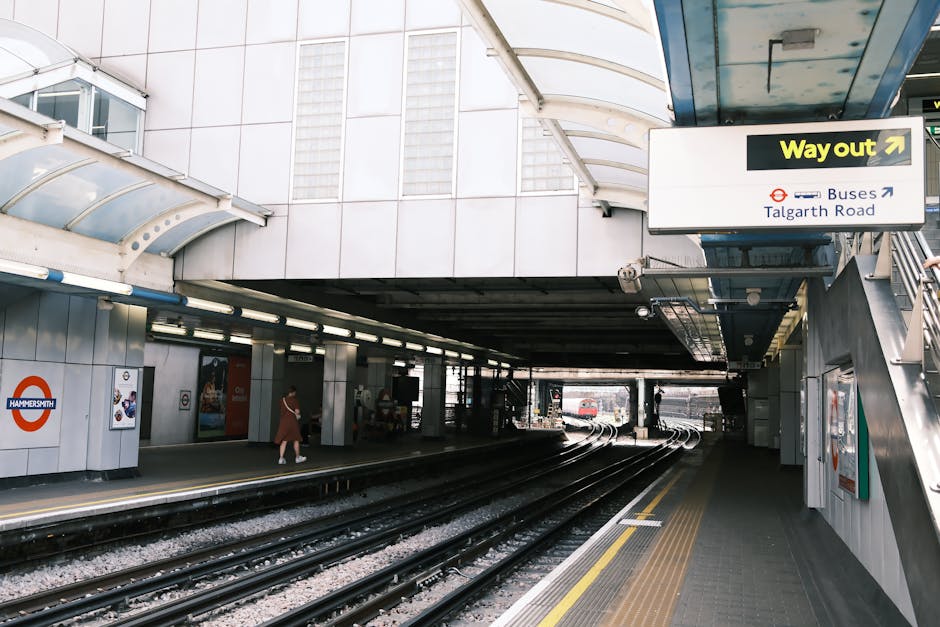
Uxbridge tube station garden maintenance guide
If you are looking after a garden near Uxbridge tube station, the work is a little different from maintaining a quiet suburban plot. Foot traffic, road dust, compact planting areas, shade from nearby buildings, and the need to keep approaches tidy all shape how the space should be cared for. This Uxbridge tube station garden maintenance guide breaks down what matters, what to do first, and how to keep the area looking orderly without turning maintenance into a weekly headache.
In practical terms, station-adjacent gardens need to be neat, safe, easy to access, and resilient. That means choosing the right maintenance routine, knowing where shortcuts cause problems, and understanding when a simple tidy-up is enough versus when deeper work is needed. We will also look at timing, tools, common mistakes, and how services such as garden maintenance, lawn mowing, and hedge trimming fit into a sensible plan.
One thing people often underestimate: a small space near a busy transport hub can look messy faster than a bigger private garden. Leaf fall, litter drift, compacted soil, and overgrown edges are all part of the picture. The good news? With a straightforward routine, the space can stay sharp and welcoming. No drama, just steady upkeep.
Table of Contents
- Why Uxbridge tube station garden maintenance guide Matters
- How Uxbridge tube station garden maintenance guide Works
- Key Benefits and Practical Advantages
- Who This Is For and When It Makes Sense
- Step-by-Step Guidance
- Expert Tips for Better Results
- Common Mistakes to Avoid
- Tools, Resources and Recommendations
- Law, Compliance, Standards, or Best Practice
- Options, Methods, or Comparison Table
- Case Study or Real-World Example
- Practical Checklist
- Conclusion
- Frequently Asked Questions
Why Uxbridge tube station garden maintenance guide Matters
Gardens around transport interchanges do more than look nice. They help shape first impressions, guide movement, soften hard edges, and make a place feel cared for. Near Uxbridge tube station, that matters because the area is seen by commuters, residents, visitors, and delivery drivers every single day. A tidy bed of shrubs or a well-cut lawn signals order immediately. A neglected strip, by contrast, tends to shout louder than you want it to.
There is also a very practical side. Busy footpaths can push people into planting areas, litter may gather in corners, and overgrown growth can block sight lines. If the space is near entrances, access routes, or shared frontage, maintenance becomes part appearance, part safety, and part usability. Honestly, that mix is where many people get caught out. They think of it as a decorative task, then realise it is actually an operational one too.
For homeowners, landlords, housing managers, retail occupiers, and small site managers, the priority is often the same: keep the garden presentable without spending more than needed. Regular care beats reactive fixes nearly every time. A small amount of planned upkeep is usually easier, cheaper, and less stressful than waiting for a full reset.
It also helps to think seasonally. Winter near the station can mean leaf build-up and slick surfaces. Spring brings rapid regrowth. Summer can dry out beds quickly, especially where reflected heat from paving or buildings creates hot spots. Autumn? Well, autumn is leaf season whether we like it or not.
How Uxbridge tube station garden maintenance guide Works
A useful garden maintenance plan near Uxbridge tube station is built around three layers: routine tidying, scheduled horticultural care, and occasional remedial work. That sounds slightly formal, but the idea is simple. You keep things neat week to week, deal with plant health and structure at sensible intervals, and step in harder when an area has fallen behind.
Routine tidying is the visible layer. It includes litter picking, sweeping hard edges, removing spent flowers, edging paths, mowing where turf is present, and making sure shrubs do not spill into pedestrian routes. This is the part most people notice first because it changes the whole feel of the space within minutes.
Scheduled care is what keeps the garden healthy. It includes pruning, hedge cutting, feeding where appropriate, checking for pest or disease issues, mulching, and watering during dry periods. If you only tidy the surface and ignore the plants themselves, the garden will look fine for a bit, then drift into a rough state. It happens quietly.
Remedial work is the rescue layer. That might mean clearing out dead planting, tackling an overgrown hedge, restoring a tired lawn, or removing waste after a long period of neglect. If the area has become cluttered or inconsistent, you may need a stronger intervention such as garden clearance before normal maintenance can work properly again.
In our experience, the best results come from treating maintenance as a cycle rather than a one-off task. You inspect, you tidy, you adjust, and you repeat. Simple. Not always glamorous, but very effective.
Key Benefits and Practical Advantages
The first benefit is obvious: the place looks better. A well-maintained garden near a station feels calmer, cleaner, and more professional. Even a modest frontage can make a big difference when the paving, planting, and edges are kept in good shape. People notice these details faster than you might expect.
The second benefit is safety. Overgrown stems, poor visibility, slippery leaf matter, and blocked access points can all create avoidable hazards. Keeping growth controlled reduces the chance of trip hazards and makes movement easier for everyone. That is especially relevant where people are arriving with bags, pushing buggies, or trying to move quickly between stops.
The third benefit is plant health. Regular pruning, proper watering, and sensible soil care support stronger growth and fewer surprise failures. A hedge trimmed at the right time holds its form better. A lawn mown consistently tends to thicken up. Beds that are cleared of debris recover more easily after rain or heat.
There is also the budget side. Planned upkeep can reduce the need for bigger, more expensive interventions later. A garden that gets a little attention every few weeks usually costs less to restore than one that is left until it is wildly overgrown. Truth be told, most maintenance headaches are delay headaches in disguise.
If you are comparing service options, it can help to look at the wider support available through services overview and then narrow the work to what the site actually needs. Sometimes it is basic mowing; sometimes it is a broader tidy, pruning, or planting refresh. Often it is a mix.
Who This Is For and When It Makes Sense
This guide is useful for anyone responsible for a garden or planted frontage within walking distance of Uxbridge tube station, but especially for property managers, landlords, commercial occupiers, resident associations, and homeowners who want the space to stay presentable without constant firefighting.
It makes sense when the garden is part of a visible route, a shared boundary, or a property that receives regular visitors. It also makes sense if the site has narrow access, awkward corners, mixed planting, or grass that grows unevenly because of shade. Small spaces can be trickier than they look. A ten-minute tidy in a compact frontage can reveal all sorts of issues that were hiding behind the shrubs.
You may also need a more structured approach if:
- the garden borders a path or public-facing entrance;
- growth is affecting sight lines or access;
- you need regular upkeep rather than a one-off cut;
- the area has decking, retaining borders, or hard landscaping;
- you are trying to balance neat presentation with low ongoing cost.
For spaces with patios, steps, or raised features, joining maintenance with a tidy hard-surface plan can be sensible. A small amount of deck cleaning or care may sit alongside decking services if the surrounding surfaces are becoming worn or slippery. That is not always needed, of course, but it can be part of a broader refresh.
If your site has become cluttered after a season of growth or a gap in service, you may want to start with a reset and then move into routine care. That sequence is usually more efficient than trying to maintain a mess. Which, let's be honest, is a bit like mowing the grass before moving the toys out of the way.
Step-by-Step Guidance
Here is a practical way to approach maintenance near Uxbridge tube station. This is not the only method, but it is a solid one and it works for most small to medium outdoor spaces.
-
Inspect the space properly.
Walk the full area slowly. Look for litter, broken branches, weeds, moss, poor drainage, signs of overgrowth, and any surface issues. A quick glance misses things. A proper walk-through reveals the awkward little problems that always come back to bite you later.
-
Remove obvious debris first.
Pick up waste, fallen twigs, dead foliage, and any loose materials around beds or paths. This gives you a clean base to work from and makes the rest of the job easier to judge.
-
Cut back growth that affects access or appearance.
Trim hedges, reshape overhanging shrubs, and remove stems that are crowding paths. If hedging is part of the frontage, regular hedge trimming keeps the line neat and stops the whole space from feeling closed in.
-
Mow lawn areas at the right height.
Where turf is present, mow steadily rather than hacking it back after a long delay. A consistent cut supports healthier grass and a better finish. For routine turf care, lawn mowing is often the most visible single improvement.
-
Deal with weeds and bare patches.
Hand removal works well in small spaces. In larger or more troublesome areas, you may need a more targeted plan. Bare patches can often be improved with soil conditioning, reseeding, or a change in planting.
-
Refresh the edges.
Sharp edges make a garden look cared for even when the planting is simple. Straight borders, clean path lines, and defined bed edges do a lot of heavy lifting here. More than people realise, actually.
-
Check drainage and soil condition.
Compact soil and standing water are common in busy areas. If the soil is hard or water sits for too long, plants struggle. Light cultivation, mulching, or redesigning the bed may be needed depending on the site.
-
Dispose of waste responsibly.
Green waste, soil, and mixed debris should be handled properly and separated where possible. If the job produces a lot of material, arranging a responsible removal plan through recycling and sustainability principles is a sensible approach.
That is the core rhythm. Inspect, clear, cut, tidy, check, dispose. Repeat as needed. Nothing fancy, but it keeps the space under control.
Expert Tips for Better Results
One of the most useful habits is to maintain from the edges inward. Start with paths, fences, boundaries, and entrance points before spending time on the middle of beds. Why? Because edges create the first impression. If those are clean, the whole area feels more ordered immediately.
Another tip: do not trim everything to the same rigid look unless the design calls for it. A station-adjacent garden often looks better with some softness and structure rather than flat, over-clipped uniformity. The trick is control, not sterility. There is a difference, and people can feel it even if they do not phrase it that way.
Use seasonal timing rather than reacting only when things look bad. Light pruning before a growth surge, for example, is often more effective than a severe cut after things have got unruly. The same goes for mowing. Keeping on top of it avoids the ugly "just one more week" cycle. We have all seen that one.
Also, try to keep a maintenance log. It does not need to be elaborate. A few dated notes on what was cut, cleared, planted, or repaired will help you spot patterns, such as repeated dry patches or recurring overgrowth in one corner. That kind of record saves time later and makes decisions easier.
If the site has more involved planting or you want to improve the visual flow, consider whether a broader redesign would help. Services like landscape gardening or landscaping can be useful when maintenance alone is not fixing the underlying layout problem.
Common Mistakes to Avoid
People usually do not ruin a garden with one huge error. It is the smaller habits that cause trouble. Here are the big ones to watch for.
- Waiting too long between visits. Growth races ahead quickly in spring and early summer, so gaps become obvious fast.
- Cutting too hard in one go. Severe pruning at the wrong time can leave plants stressed or looking patchy for months.
- Ignoring access routes. A tidy bed is not enough if branches are narrowing the path or blocking sight lines.
- Using the wrong tool for the job. Dull blades, blunt shears, and badly sized equipment create ragged cuts and extra effort.
- Leaving debris behind. A surprisingly common issue. The garden may look half-finished, and that undermines the whole job.
- Assuming all planting can be treated the same. Ground cover, shrubs, climbers, and turf each need a slightly different rhythm.
There is also a psychological mistake: assuming a space only needs attention when it looks terrible. By then, the job is usually bigger, slower, and more expensive. A little regularity beats heroic clear-ups every time.
If the garden has become genuinely overwhelmed, it may be better to start with a larger reset and then bring it back under control. In those cases, a professional garden clearance can be the cleanest way to get a usable starting point again.
Tools, Resources and Recommendations
You do not need a van full of equipment to keep a station-area garden looking good. Most of the time, a sensible basic set is enough.
| Task | Useful Tool or Approach | What to Watch For |
|---|---|---|
| General tidy-up | Gloves, hand rake, refuse sacks, broom | Hidden litter and sharp debris in borders |
| Hedge and shrub control | Manual shears or powered trimmer | Bird nesting periods, uneven cuts, over-trimming |
| Lawn care | Sharp mower, edging tool | Cutting too low, damp grass, scalping on uneven ground |
| Border maintenance | Hand fork, trowel, mulch | Compacted soil and root disturbance |
| Waste handling | Separate bags, containers, collection plan | Mixed waste and overfilled bags |
For many people, the best resource is a reliable recurring maintenance plan rather than one flashy tool. A decent schedule and a consistent standard will outperform expensive kit that only comes out once in a blue moon.
If you need help understanding what level of support makes sense, the site's pricing and quotes information is a sensible place to start. It can help you think in terms of scope: regular visits, one-off restoration, or a mix of both.
And if you are comparing different types of site work, it may be worth reviewing tree lopping and removal for larger woody growth, especially where branches are affecting light, access, or safety.
Law, Compliance, Standards, or Best Practice
For a garden near a tube station, compliance is mostly about being sensible, cautious, and respectful of access and safety. There is not a single universal rulebook for every site, but there are clear best-practice expectations in the UK that are worth following.
First, keep walkways clear. If a planted area is adjacent to shared access, do not let vegetation obstruct passage or create avoidable trip points. Second, think about safe working. Tools should be used properly, work areas should be managed carefully, and waste should not be left in a way that could cause issues for others. Third, respect neighbouring properties and shared boundaries. It sounds obvious, but garden work often touches more than one person's space.
When trees or larger branches are involved, it is wise to take a conservative approach. If a tree looks unstable, is damaging structures, or sits in a constrained location, a professional assessment is the safer move. Maintenance and tree work are not the place for guesswork. Not the day to be adventurous, really.
Service providers should also be clear about their working practices, insurance, and security arrangements. If you are choosing a contractor, it is reasonable to look at their insurance and safety details, as well as the company's health and safety policy. Those pages do not replace your own judgement, but they do help build confidence.
For additional trust signals, it is also worth understanding how a company handles complaints, payments, and privacy. A clear complaints procedure and straightforward payment and security approach are signs that the business takes its responsibilities seriously. For background on how your data is handled, you can review the site's privacy policy and terms and conditions.
Options, Methods, or Comparison Table
Different maintenance approaches suit different sites. A small frontage near the station may only need light, frequent work, while a larger shared garden might need deeper intervention followed by regular upkeep. The comparison below should help with decision-making.
| Method | Best For | Strengths | Limitations |
|---|---|---|---|
| Light routine maintenance | Tidy gardens with stable planting | Low disruption, lower cost, keeps standards consistent | Won't fix major neglect or poor layout |
| Seasonal maintenance visits | Sites that change quickly through the year | Useful balance between control and flexibility | Can be too infrequent if growth is rapid |
| One-off restoration | Overgrown or messy spaces | Fast visual improvement, resets the site | Needs follow-up to stay effective |
| Maintenance plus redesign | Spaces with awkward layout or recurring problems | Addresses both symptoms and causes | Takes more planning and usually more budget |
For many station-area gardens, the smartest path is a reset followed by recurring care. If the layout is poor, though, maintenance alone may never feel enough. That is where a mix of upkeep and broader improvements can pay off over time.
Case Study or Real-World Example
Here is a realistic example from the kind of work that often comes up around busy local transport areas. A small front garden near a station entrance had tidy bones but had drifted into a scruffy state over a few months. The lawn was patchy, the hedge had pushed into the path, and fallen leaves had gathered in a damp corner near the wall. Nothing dramatic. Just enough to make the place feel unloved.
The first visit focused on clearing debris, edging the beds, and reducing the hedge back to a sensible line. After that, the grass was cut at a more regular interval, and the border was mulched to reduce weed pressure and improve the finish. A few plants that were no longer doing much were removed and replaced with tougher shrubs that handled shade better. Nothing flashy. It just made sense for the site.
Within a short period, the space looked more open and much easier to maintain. More importantly, it stopped fighting the surroundings. That is often the hidden win with garden maintenance near busy transport points: you are not trying to create a magazine garden. You are trying to create a durable, welcoming space that can stand up to daily use and still look cared for.
Sometimes the smallest changes matter most. A neater edge. Better spacing. One less awkward plant. A place can breathe again.
Practical Checklist
Use this checklist to keep your Uxbridge tube station garden maintenance routine on track.
- Walk the site and note any access issues.
- Remove litter, fallen branches, and dead plant material.
- Trim hedges and shrubs that spill into paths or sight lines.
- Mow turf areas at a consistent, appropriate height.
- Cut back weeds before they set seed.
- Check for signs of damage, disease, or unstable growth.
- Refresh edges so beds and paths look defined.
- Manage waste responsibly and separate recyclable green material where possible.
- Review whether the site needs ongoing maintenance or a larger reset.
- Record what was done so the next visit is easier to plan.
Expert summary: the best station-area garden maintenance is consistent, practical, and slightly boring in the best possible way. Keep the space safe, neat, and resilient, and it will keep working for you.
If you are ready to move from planning to action, start with a clear scope and a realistic maintenance rhythm. You can also learn more about the team and its approach through the about us page or send an enquiry via contact us when you want a tailored discussion.
Get a free quote today and see how much you can save.
Conclusion
A good Uxbridge tube station garden maintenance guide is really a guide to staying calm, consistent, and realistic. The best gardens in busy places are rarely the most complicated. They are the ones that are checked often, cut sensibly, cleared properly, and adjusted before small issues become big ones.
If you remember only one thing, make it this: maintenance is not just about appearance. It is about usability, safety, and the confidence people feel the moment they approach the space. That little feeling of order matters more than people think.
Look after the edges, keep the growth in proportion, and do not let the site drift for too long. Small, regular care goes a long way. And honestly, that is usually enough to make the whole place feel better, day after day.
Frequently Asked Questions
What does Uxbridge tube station garden maintenance actually include?
It usually includes litter removal, lawn care, hedge trimming, pruning, weed control, edging, plant health checks, and general tidying. If the garden has become overgrown, it may also involve a clearance step before routine care begins.
How often should a garden near a station be maintained?
That depends on growth, foot traffic, and the type of planting. Many spaces benefit from weekly or fortnightly light care during peak growing periods, with less frequent visits in slower months. The key is consistency rather than waiting too long.
Is a small frontage harder to maintain than a large garden?
Sometimes, yes. Small spaces near busy areas can show mess faster because every edge is visible. They also tend to have awkward corners, tighter access, and more pressure from footfall, which makes regular tidying especially important.
Do I need garden clearance before maintenance starts?
If the space is heavily overgrown, cluttered, or full of waste, then yes, a clearance first is often the most practical route. Once the site is reset, normal maintenance becomes much easier and more affordable to keep up.
What is the difference between garden maintenance and landscaping?
Garden maintenance keeps an existing space healthy and tidy. Landscaping usually involves changing the layout, improving surfaces, redesigning planting, or building new features. They can work together, but they are not the same thing.
Can station-area gardens be maintained on a tight budget?
Yes, if the work is planned sensibly. Regular smaller visits are often cheaper than occasional large restorations. Prioritising the biggest visual and safety issues first also helps stretch the budget further.
What are the biggest safety risks in these gardens?
The main risks are slippery surfaces, overhanging growth, hidden debris, trip hazards, and unstable branches. Good maintenance reduces these risks by keeping routes clear and the planting under control.
When is the best time of year to trim hedges and shrubs?
It depends on the plant type and how fast it grows. In general, light, regular trimming is better than infrequent severe cutting. A careful approach helps preserve shape and plant health, especially in mixed planting schemes.
How do I know if I need professional help?
If the work is becoming time-consuming, if the site keeps slipping behind, or if larger jobs like tree work, clearance, or redesign are involved, professional help is usually worthwhile. It can save time and reduce the chance of avoidable mistakes.
Should I worry about waste disposal and recycling?
Yes, especially if the job creates a lot of green waste or mixed debris. Responsible disposal keeps the site tidy and supports a cleaner maintenance routine. It is also simply the right thing to do, to be fair.
How can I keep the garden looking good between visits?
Focus on the visible basics: pick up litter, remove dead leaves, check edges, and spot issues early. Small interventions between scheduled visits can stop the space from slipping and make the main maintenance visits more effective.
Where should I start if the garden has been neglected for a while?
Start with an inspection and a clearance of obvious debris. Then address overgrowth, mow or cut back the most visible sections, and decide whether the space needs a one-off restoration before regular care can resume. If in doubt, begin with the messiest part first. That usually tells you everything you need to know.